An Actuary in Como - A participant's perspectives on the 3rd compound events training school
By Mathias Valla, Institut Louis Bachelier (Paris, France) and Aix-Marseille Université (Marseille, France)
An Actuary in Como
It may not seem obvious that climate risk and compound events are hot topics in actuarial science. I get it—when you think of actuaries, your mind probably jumps to spreadsheets, mortality tables, and the intricacies of insurance pricing. But here's the thing: when human life, health, homes, or goods are at stake, the need for risk analysis, protection, and mutualization grows more critical every day. And this is especially true as climate change continues to reshape the landscape of risk. That’s why it’s our collective responsibility to bridge the gap between the technical know-how of climate science and the risk management frameworks we use in actuarial science.
But actuaries are not climate specialists (trust me, I’m one of them). And as much as we like to think we can model everything, there’s a big ol’ knowledge gap between our specialties. That’s what led me to attend the 3rd Como Training School on Compound Climate-Related Events—an intensive crash course in climate science for those of us brave enough to step outside our comfort zones.
Como: Not Just a Pretty Lake
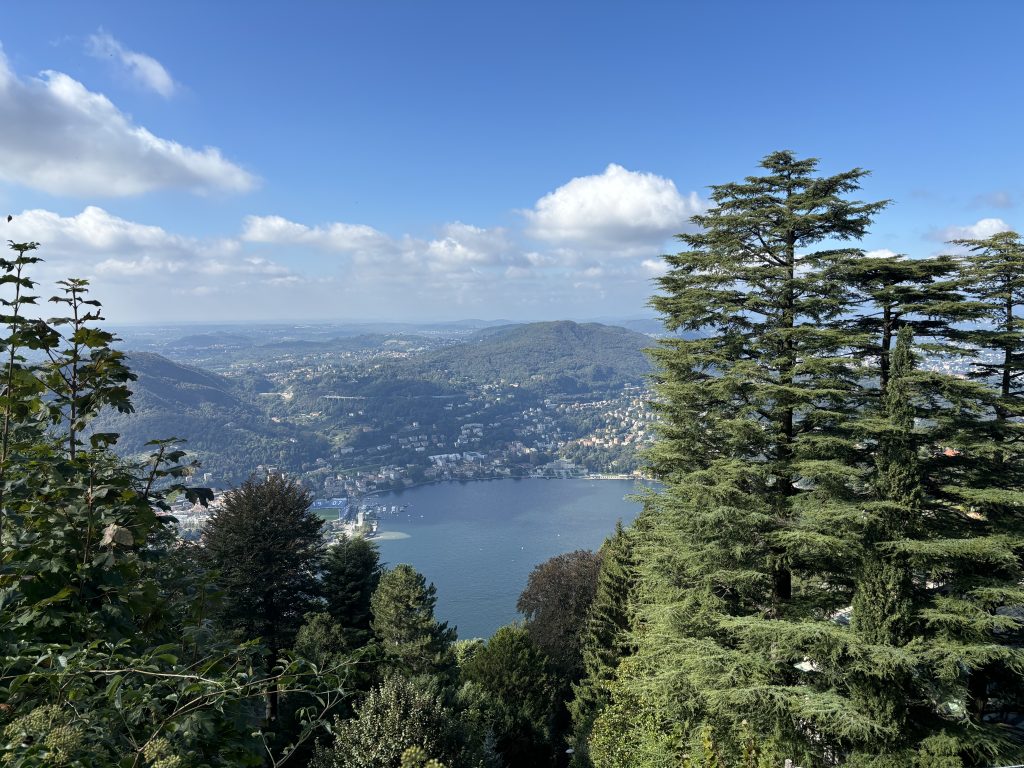
First things first—let’s talk about the setting. Lake Como, Italy. Yes, it's just as beautiful as you’ve heard. Majestic mountains, great for hikes on the weekend? Check. Sparkling blue water perfect for a boat tour? Check. Endless pasta and good coffee? Double check (as long as you don’t order for a blasphemous « americano »). But before you start imagining us lounging by the lake with a spritz in hand (or at Krudo’s, depending on the weather), let me tell you that my time in Como was packed with lectures, projects, and more climate discussion than I ever thought possible.
Walking into the lecture hall, I quickly realized I was surrounded by climate science PhD students, post-doc researchers and lecturers from all over the world who brought their unique perspectives and expertise to the table. The kind of people who can casually throw around terms like "Southern Oscillation Index" and "stationary Rossby waves" as if they’re talking about the weather (well, technically they are). Meanwhile, I’m sitting there thinking, “Okay, how do I tie this all back to actuarial science?” But that’s the fun part, right? Finding those unexpected bridges between two fields.
A Learning Odyssey: Climate Science and Copulas
One of the first things I learned was that climate science loves its data. We’re talking terabyte-sized datasets with multiple variables, locations, and frequencies, all thrown together. And that’s where compound events come into play. In actuarial science, we tend to look at events in isolation, but climate scientists are all about how different variables interact. For example, heavy rains combined with a recent drought can have far worse consequences than just one of those events on its own.
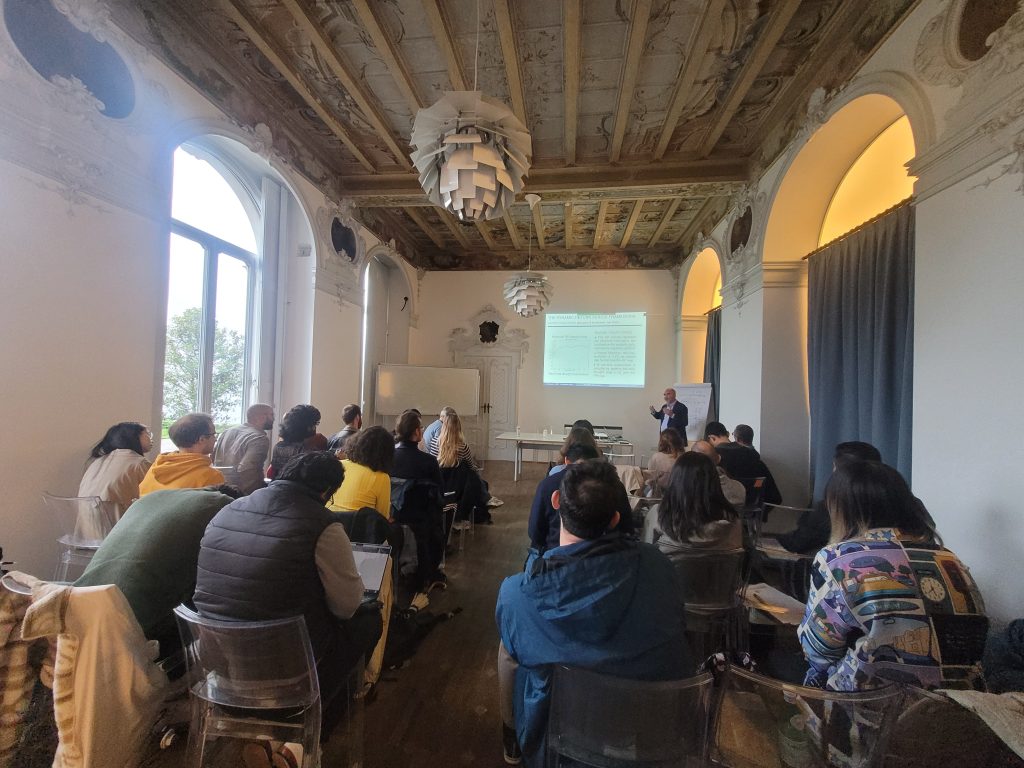
So how do we, as actuaries, make sense of this? Well, the lecture on copulas (courtesy of Fabrizio Durante and Gianfausto Salvadori) delivered that lightbulb moment for me. Copulas, which we use to model dependencies between risks in finance and insurance, are perfect for climate data too! Salvadori introduced the theory behind copulas and their application in hazard assessment, while Durante emphasized quantifying correlation with tools like Kendall’s Tau and tail dependence. These methods can reveal deeper interconnections in climate variables, which is exactly what we need for actuarial climate indices.
The Group Project: Testing our Climate Chops
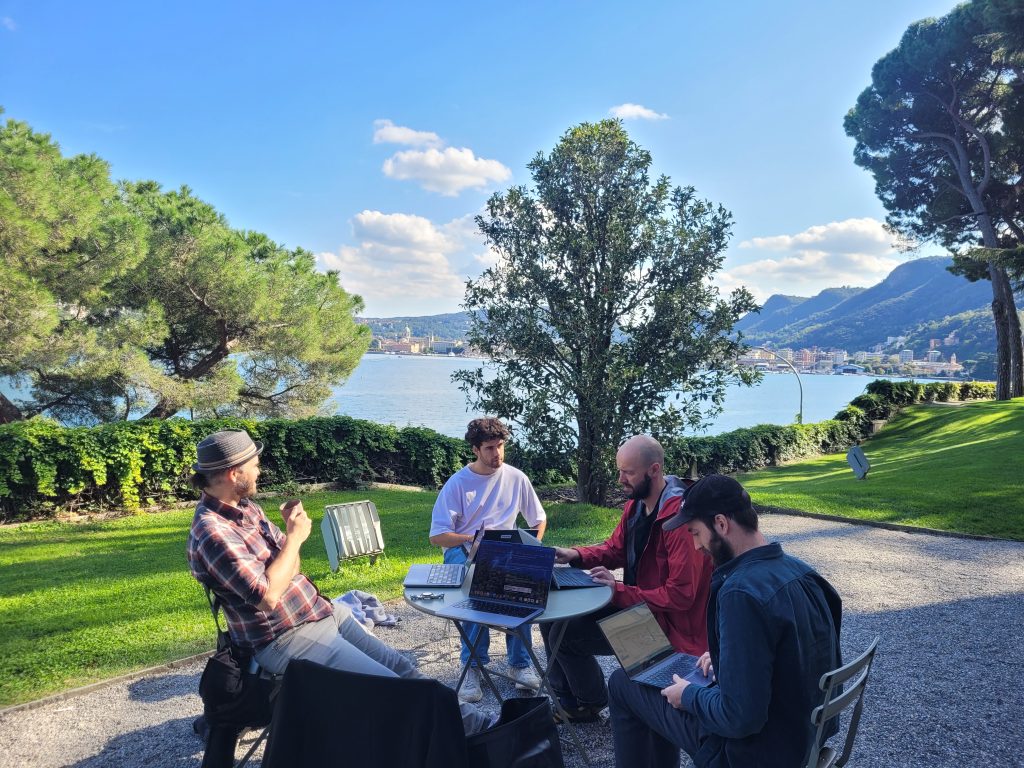
Of course, no academic adventure is complete without a group project! Our team dove into a study on global risks of compound extremes of solar and wind power potential under climate change. Quite the mouthful, right? Basically, we analyzed how the production of renewable energy sources like solar and wind might be simultaneously affected by extreme weather conditions happening at the same time.
I’ll be honest—it was (and still is !) challenging: we are knee-deep in climate data, discussing things like bias correction, downscaling, and energy demand models.
From Como to the Actuarial World
As the week wrapped up, I felt like I had not only survived the Como Training School but had actually thrived in it. Sure, I may not be a climate scientist, but I now have a toolkit that allows me to approach climate risk in a more sophisticated, actuarially sound way.
The takeaway? Actuaries and climate scientists may speak different technical languages, but some of us are working towards the same goal: understanding and mitigating risk. And while climate science might seem daunting at first (especially when you’re sitting in a room full of experts), the overlap between our fields is far more significant than I initially imagined. Plus, getting out of your comfort zone can lead to some pretty exciting breakthroughs.
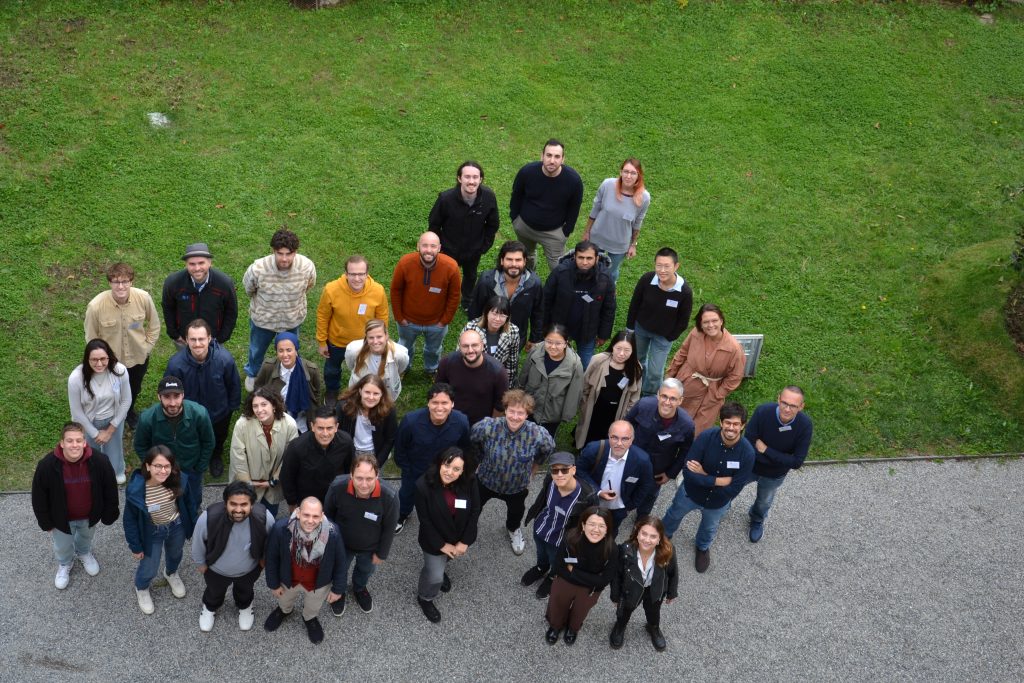
So, to my fellow actuaries: Don’t shy away from climate science. Dive in, attend those conferences, engage with the data and learn from the specialists in those fields : we need this interdisciplinarity. Who knows? You might just find that the next big innovation in actuarial climate indices comes from a compound event analysis or a well-placed Vine copula. And hey, if you can do it from Lake Como, all the better!
And, to my fellow climate scientists: Thank you for the warm welcome into your world of compound events and climate extremes. The work you do is not only impressive, but also vital in understanding the complex risks that lie ahead. Know that climate science is becoming increasingly essential in a range of interdisciplinary research fields, and your expertise is needed now more than ever. You have the power to reshape how we see the world, and I hope more collaborations are born from this synergy between science and risk management.
PS : Before I sign off, I’d like to extend a huge thank you to the organizers and all group project supervisors for this fantastic opportunity. The interdisciplinary environment was truly inspiring, and I’m walking away with new knowledge, great memories, and a deeper appreciation for the global community working to tackle climate risks.
Photo credits: Mathias Valla (top picture); Pauline Rivoire (2nd and 3rd pictures); Fondazione Alessandro Volta (bottom picture). Post edited by Pauline Rivoire.